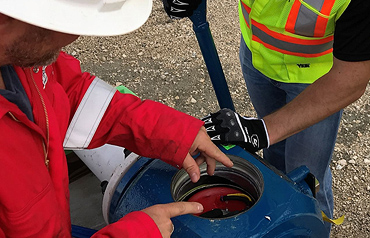
One of the most critical maintenance operations in any pipeline system is pipeline pigging. Done correctly, it keeps pipelines clean, efficient, and safe. Done poorly, it leads to costly delays, damaged tools, and serious safety incidents. Field service technicians are on the front lines of these operations. Having a strong foundation of best practices matters greatly. It can make the difference between a smooth run and a real problem.
Preparing for Pipeline Pigging Before Every Run
Preparation is where successful pigging operations begin. Rushing into a run without proper setup is one of the most common mistakes in the field.
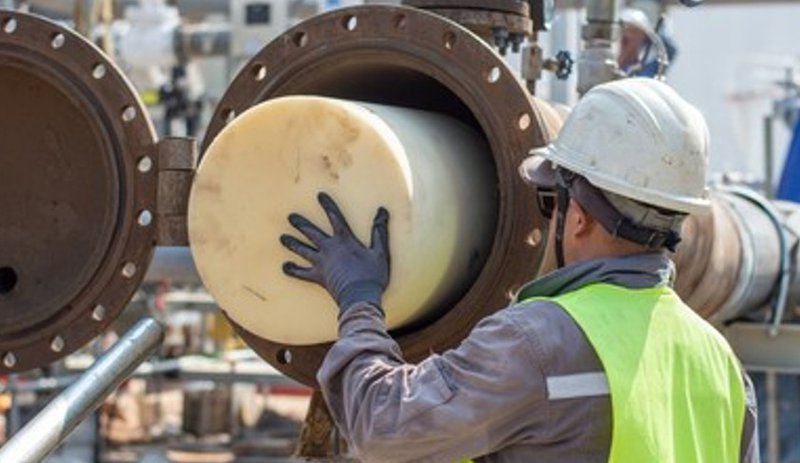
Before launching any pig, technicians should confirm and review the following:
- Internal diameter, wall thickness, and pipeline geometry
- Known obstructions, tight bends, or weld anomalies along the route
- Launcher and receiver sizing and condition
- Valve positions and functionality throughout the line
- Available pressure and flow rates needed to propel the pig
Taking time at this stage prevents avoidable equipment damage. It also helps the run go exactly as planned.
Choosing the Right Pig for the Job
Not every pig is suitable for every pipeline. Operating conditions and cleaning goals should guide tool selection.
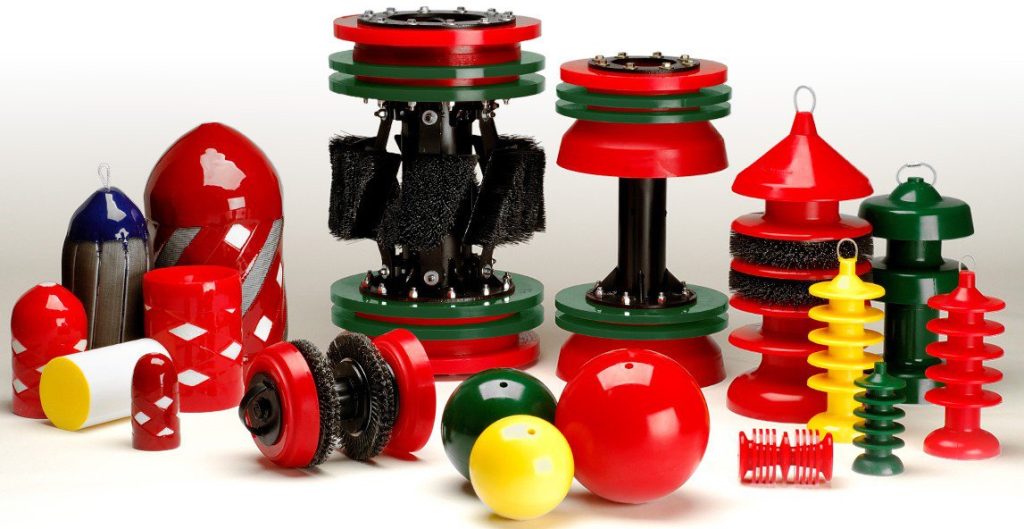
For general debris removal and light cleaning, foam or utility pigs often do the job well. For hardened scale or paraffin wax buildup, a mandrel pig may be required. Wire brushes or aggressive disc configurations help tackle tougher deposits. When you need to remove or displace liquids, a cup pig or bi-directional pig usually works best.
Pipe material also matters. Plastic pipe or aged infrastructure, may need may need gentler tool configurations. Using an overly aggressive pig on a fragile line risks internal damage. When in doubt, start with a softer tool. Work up to more aggressive configurations only as needed.
Monitoring the Pig During the Run
Losing track of a pig mid-run is a serious operational risk. A stuck pig can halt operations entirely and create significant safety hazards.
Use pig signalers, transmitters, and tracking devices at key points along the line. These tools confirm the pig has passed a specific location. If movement stops, the team can identify the approximate stuck location much faster.
Throughout the run, keep a detailed log that includes:
- Launch time and expected arrival time at the receiver
- Flow rate and pressure readings taken at regular intervals
- Any unexpected pressure drops or spikes
- Receiver readiness status

Maintaining real-time awareness reduces response time if something goes wrong. It also creates a record that supports future planning.
Handling Post-Run Inspection and Debris Management
The job does not end when the pig reaches the receiver. Post-run activities carry just as much importance as the run itself.
Once the pig is received, inspect it thoroughly. Look for wear, damage, or missing components. A damaged pig can signal a pipeline issue worth investigating further. Document the condition of every pig after every run, and send pictures of post run pigs to the pig manufactor for an additional review and if needed modification recomendations. Over time, this builds a valuable maintenance history.
Debris removal from the receiver is another critical step. Material collected during a pigging run can be hazardous. Follow proper containment and disposal procedures for all waste. Wear appropriate safety gear during receiver opening. This includes gloves, eye protection, and respiratory protection when required.
Ready to Improve Your Pipeline Pigging Operations?
At Girard Industries, we understand what field service technicians face on every job. Our team has spent decades helping operators and service companies build cleaning programs that work in real-world conditions.
We manufacture a full line of pipeline cleaning and gauging tools right here in the USA. Every tool is built to perform when it matters most. If you need help selecting the right pig for your application, or want to talk through your cleaning program, we are here for you.
Send us a message today. Let us put our experience to work for you.
Frequently Asked Questions
How do you determine the correct pig sizing for a pipeline? Pig sizing is based on the pipeline's internal diameter and any geometry restrictions along the route. A pig that is too small will not make adequate contact with the pipe wall. One that is too large can become stuck. Always reference manufacturer specifications and consult with a technical expert when sizing is uncertain.
What is the difference between a cleaning pig and a gauging pig? A cleaning pig is designed to remove debris, scale, wax, or liquid from the pipeline wall. A gauging pig carries a gauging plate that deforms if it encounters a restriction or deformation inside the pipe. They serve different purposes and are often used in sequence during a pipeline assessment program.
Can pipeline pigging be performed on live lines? Yes, pigging is routinely performed on live lines under normal operating conditions. The pipeline must have properly functioning launcher and receiver traps, and the flow must be sufficient to propel the pig. Safety protocols and operating procedures should always be followed during live-line pigging.
What documentation should be kept after a pigging run? Technicians should record the pig type used, run date, observed debris or buildup, pig condition post-run, pressure and flow data, and any anomalies encountered. Consistent documentation across multiple runs helps identify trends, plan maintenance intervals, and make better tool selection decisions over time.