Every pipeline pig you launch inherits the condition of the line it enters. When you leave wax, scale, and liquid slugs undisturbed, you stall tools, wear unevenly, and collect degraded data during your inspections. You use pre-cleaning to shape the environment your pipeline pig will operate in during the inspection.
You face measurable stakes in both dollars and safety exposure across every operating region. According to PHMSA, regulators draw incident data from a national network exceeding 2.6 million miles of energy infrastructure. You keep that infrastructure productive when develop an appropriate pipeline pig pre-cleaning operation.
What Does Pre-Cleaning Do for a Pipeline Pig?
You use pre-cleaning to condition the internal pipe surface so your pipeline pig can seal, inspect, and travel without stalling because of debris. You also increase the chances of the pipeline pig traversing reducers, bends, and valves prior to the inspection run. You gain fewer stalled-tool events, longer pipeline service life, and cleaner data on any inline inspection that follows.
Why Pre-Cleaning Determines Pipeline Pig Performance
Your pipeline pig is engineered to work against a defined resistance profile shaped by product flow, debris deposits, and internal geometry. When that profile shifts mid-run because of unexpected debris, you lose seal contact, gain bypass, and risk having a failed run. You remove that variability when you progressively clean the line before the primary tool ever launches.
You also carry real financial weight when you neglect internal conditions. According to iFactory, you can spend between $80,000 and $250,000 recovering a stuck tool through cutout excavation. You recover that modest pre-cleaning investment the first time you prevent a stall.
Beyond direct recovery costs, you distort every downstream decision when you skip pre-cleaning. You collect inline inspection data through a dirty line, and the tool flags false anomalies or masks genuine ones. Then you spend weeks and tens of thousands of dollars re-running tools and second-guessing integrity findings that should have been definitive.
Building a Progressive Pigging Sequence
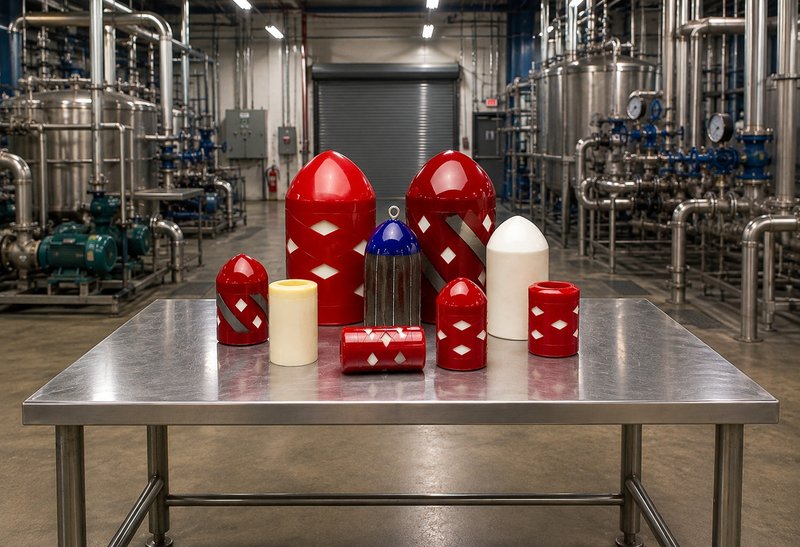
You start a progressive pipeline pigging sequence with the lightest practical tool and step up in aggression only when returns justify escalation. According to World Pipelines, operators widely treat progressive pigging as the recommended practice for pre-inline-inspection cleaning.
You move your pre-cleaning progression through defined stages before any rigid tool enters the line:
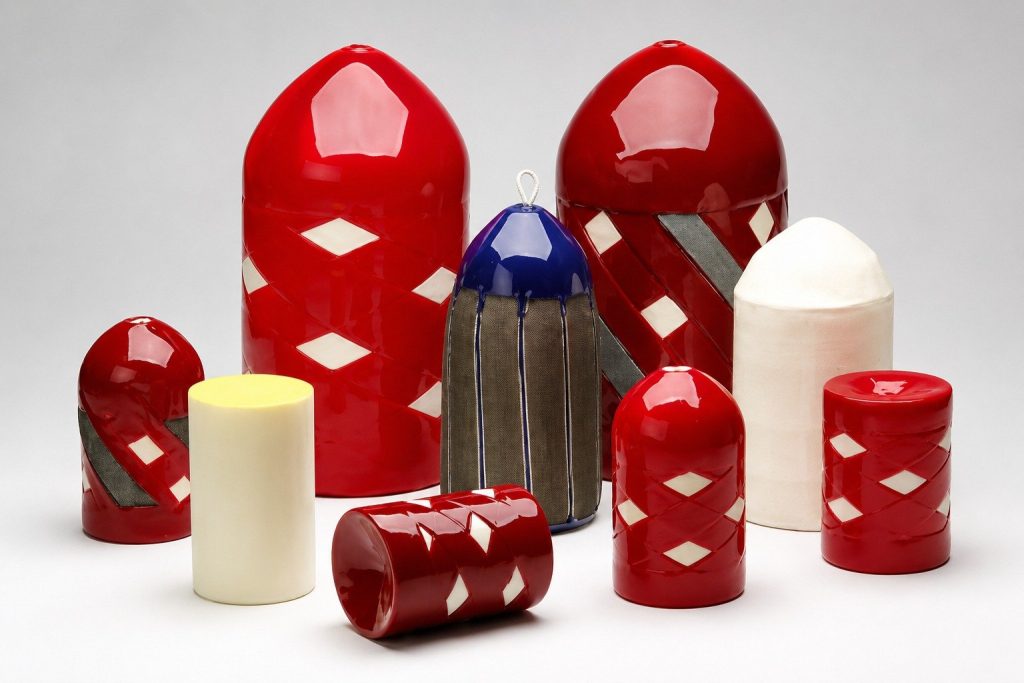
- Launch a bare or lightly coated foam Polly-Pig to collect liquids and confirm passability.
- Follow with a criss-cross or wire-brush foam variant to lift softer wax and scale from the wall.
- Escalate to a cup-and-disc tool only after you see debris volumes trending downward across successive runs. Such as one of Girards Turbo Pigs offerings.
- Document each run's discharge, differential pressure, and travel time to guide your next selection.
You protect the tool that comes next at every stage, and you build an evidence base for stopping the sequence when the line meets specification. When you skip stages, you compress cost in the short term but transfer risk to the primary pigging or inspection run.
Matching Choices to Line Conditions
Consider each pipeline segment independently for pre-cleaning strategies, match your cleaning pig selection to what you actually know about the asset. You weigh product type, operating pressure, deposit history, and internal geometry when choosing foam density and coating type. The plan you build for a gas gathering line may look different for a crude oil line.
You control foam density as the single largest lever when tailoring the opening runs of a program. Light-density foam absorbs liquid and clears loose material without loading your receiver with unnecessary volume. In contrast, you rely on medium and heavy-density Poly-Pigs to hold shape through longer runs and support coated or brush-equipped variants.
You give line geometry equal attention alongside deposit chemistry when planning your progression. Reduced-port valves, dual-diameter sections, and short-radius bends should be considered to avoid running tools that may stall. As you can read in our post on dual-diameter pigging, you keep the sequence on track when you plan your configuration around the smallest bore in the run.
Verifying Pipeline Pig Results Before You Escalate
You close the loop with verification between what you planned and what the line actually delivered on each pipeline pig run. Debris at the receiver, abnormal wear on the returned tool, and differential pressure trends across the sequence all tell you whether to advance or repeat. When you move forward without that evidence, you introduce avoidable risk into every subsequent operation.
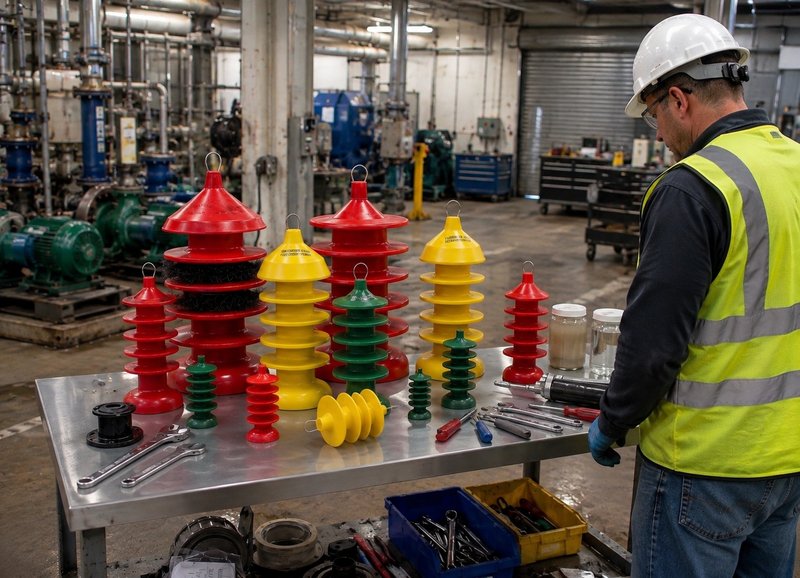
You also build knowledge about how each segment behaves over time when you keep records across campaigns. When your crews document deposit weight, tool wear, and run durations in a shared format, you start the next campaign from data instead of guesswork. Additionally, you can use that history to defend any events that may occur after an inspection during regulatory reviews.
Ready to Strengthen Your Pre-Cleaning Program?
You protect tools, data, and uptime across the full life of your pipeline assets when you run a well-planned pre-cleaning sequence. Whether you're preparing for a routine cleaning cycle or staging a line for inline inspection, you set the ceiling on program results with the right tool combinations. You can source the pipeline pigging products that operators trust for both opening and closing phases of that work from Girard Industries.
Our team helps you match tool density, coating, and configuration to the specific conditions inside your line before you commit to a run. With decades of manufacturing experience and a full catalog of cleaning pigs proudly manufactured in Houston, TX, Girard Industries supports operators across natural gas, hydrocarbon, water, and specialty pipeline sectors. Reach out to our team today to discuss more about your pre-cleaning program.