Every pigging run pushes an unknown mass of liquid and solids toward your receiving facility, and you must handle whatever arrives. When you underestimate that volume, you overwhelm slug catchers, back up receivers, and stall the downstream separation train. You plan debris removal capacity around what the line has actually accumulated since the last campaign.
You face real financial and operational exposure when volume management fails during a run. According to a pigging system design guide, you build extra length into the receiver barrel specifically for debris accumulation ahead of the pig. You avoid emergency shutdowns and unplanned venting when you match receiver capacity to expected returns.
How Do You Manage Debris Removal Volumes During Pigging?
You manage debris removal volumes when you forecast returns before launch, size your receiver and slug catcher to that forecast, and stage handling equipment for the actual discharge. You break the projected volume into liquid, soft solids, and hard debris so each stream has a defined path off site. You verify capacity margins at every transfer point before you commit the tool to the line.
Why Debris Removal Volume Planning Matters
You inherit the accumulation history of the entire segment when you launch a tool, and everything the pig sweeps arrives at the receiver together. According to OnePetro, you should design slug catcher volume with a minimum 25% safety factor above calculated slug size. When you undersize that margin, you push the receiving facility past its processing envelope.
You also face compounding costs when debris removal volumes overwhelm downstream separation equipment. Trip events on inlet separators cascade into flare loading, product loss, and emergency operator response. Additionally, you extend outage windows when contaminated liquid backs up into upstream headers.
You build your volume plan from operating history, product profile, and time since the last campaign for a given segment. When you skip that step, you rely on assumption rather than evidence to size the run. As you can read in our post on pipeline cleaning strategies, disciplined pre-run planning determines how the entire operation performs at the receiver.
Sizing Receivers and Slug Catchers
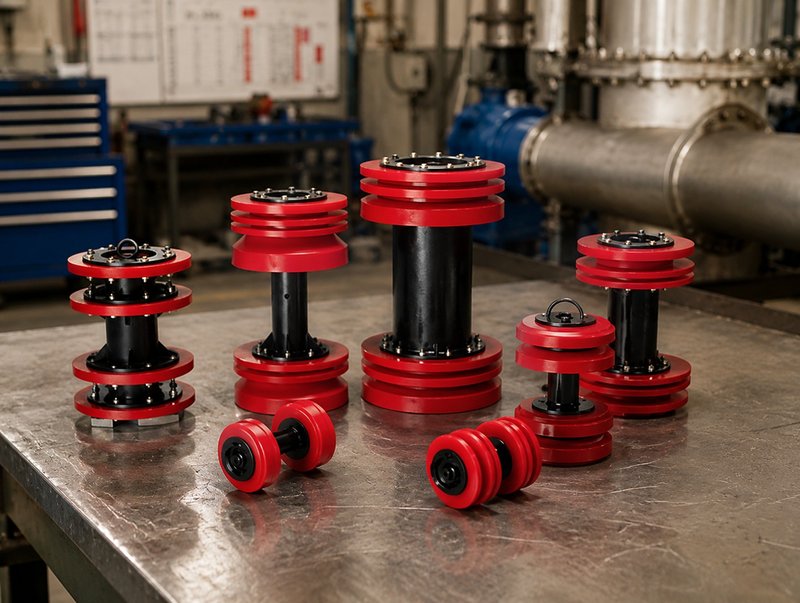
You size your receiver barrel around three variables working together: pig length, expected debris removal volume, and required clearance for loading and unloading. When you scale any one variable without adjusting the others, you compress operating margins and force manual workarounds. You get the strongest results when barrel geometry, drain sizing, and debris basket capacity all match the projected return.
You allocate your receiver capacity across defined functional zones during the design phase:
- Reserve barrel length ahead of the pig for solid debris accumulation and settling.
- Size drains for combined liquid and solid discharge without back-pressure buildup.
- Specify debris baskets that contain removed material for controlled disposal handling.
- Configure a bypass sized for full flow so the pipeline keeps moving after pig arrival.
You extend those design principles into the slug catcher when your line runs gas or multiphase service. According to WeldFit, multi-pig launching systems release up to 10 pigs at predetermined intervals to reduce slug volume reaching the catcher. Consequently, you gain flexibility to match debris removal pacing against downstream processing capacity.
Handling Debris at the Receiver
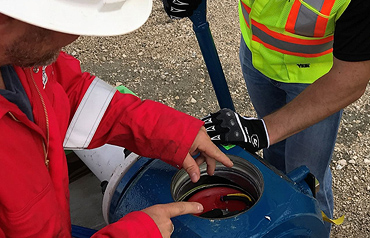
You stage debris removal handling at the receiver before the tool arrives, not after. Vacuum trucks, roll-off bins, and waste containment need to sit in position with connections ready when the pig arrives. When you delay staging, you extend receiver isolation time and slow the return to full pipeline service.
You match your handling method to the physical state of the returning material during pigging. Free liquids drain through the receiver drain and route to tankage or produced water systems. In contrast, wax, sand, and pipe scale require solids handling for proper.
You also protect worker safety when you plan debris removal handling around the actual hazards in the return stream. Hydrocarbons, hydrogen sulfide, benzene, and naturally occurring radioactive material (NORM) can concentrate in pigging debris. Additionally, NORM screening at the receiver drives whether waste routes to standard disposal or specialized facilities.
Documenting Results Across Runs
You document each debris removal event with the same rigor you apply to any integrity data collection activity on the line. Weight, volume, composition, and disposition all belong in the run record for future reference. When you build that history, you sharpen your forecasts for the next campaign on the same segment.
You also gain regulatory value when your debris removal records demonstrate control over waste streams generated during pigging. Environmental audits, produced water permitting, and NORM disposal manifests all draw from your run-level documentation. Additionally, trend data across campaigns supports the case for adjusting cleaning frequency on a given asset.
You close each campaign with a review that connects volume forecasts to actual returns for that specific segment. As you can read in our post on dual-diameter pigging, matching your operational plan to actual line conditions drives outcomes across every run. When your review loop stays disciplined, your next campaign starts from evidence.
Ready to Optimize Your Debris Removal Program?
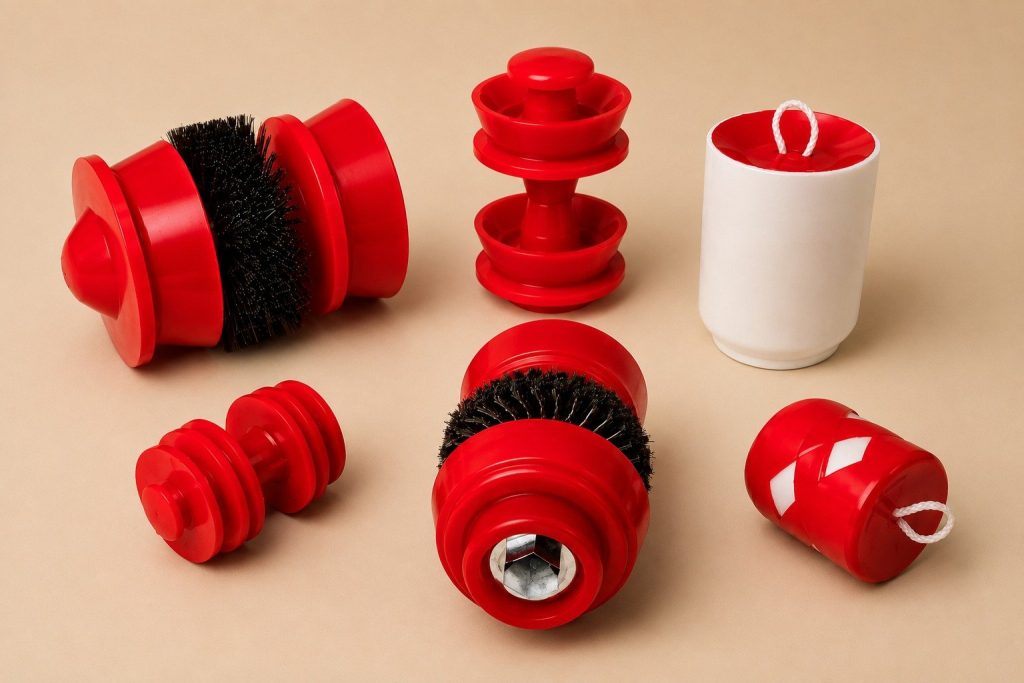
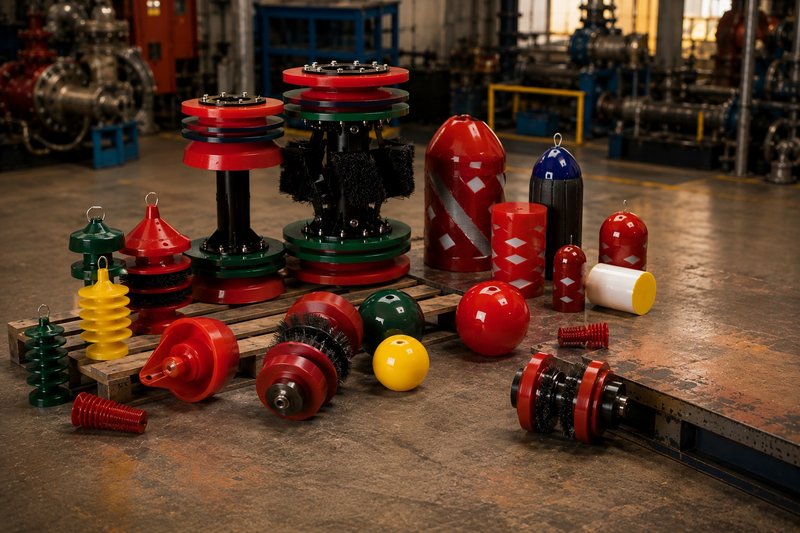
You protect facility uptime, worker safety, and environmental compliance when you plan debris removal volumes carefully. Whether you run a single segment or manage a full network, capacity forecasting and receiver staging shape how your entire pigging program performs. You can equip your team with the pipeline pigging products that give you predictable returns across cleaning campaigns.
Our team helps you match tool selection to expected debris loads, so your receiver plan and disposal path align with actual line conditions. With decades of experience manufacturing pipeline cleaning pigs in Houston, Texas, Girard Industries supports operators across gas, hydrocarbon, water, and specialty pipeline sectors. Get in touch with our team today to connect with Girard Industries about your next pigging campaign.