Not every pipeline is built the same. Across industries ranging from oil and gas transmission to water treatment and industrial process lines, operators regularly encounter pipelines that fall outside standard nominal pipe sizes. When that happens, off-the-shelf pigging solutions simply do not fit, and forcing a poor-fitting pig into service risks incomplete cleaning, stuck pigs, and costly downtime.
The good news is that custom pigging solutions exist precisely for these situations. Whether you are dealing with an older pipeline built to imperial dimensions, a metric-sized line from overseas, or a specialty process pipe with a unique inside diameter, there is a pig design that can be engineered to match.
Why Non-Standard Diameters Create Pigging Challenges
Standard pipeline pigs are manufactured to match common nominal pipe sizes (NPS), such as 2", 4", 6", 8", and so on. As a matter of fact, these sizes follow specifications outlined by organizations like the American Petroleum Institute (API) and ASME International. These organizations define the inside diameters that most pig manufacturers target.
However, when a pipeline falls between standard sizes, operators face a real problem. For example, a pig that is too small will bypass and get stuck rather than sweep it out. Meanwhile, a pig that is too large will be difficult to launch, as well as to stop and surge during the pig run. Either outcome defeats the purpose of pigging and can leave a line contaminated or out of service.
According to the Pipeline and Hazardous Materials Safety Administration (PHMSA), pipeline integrity and regular maintenance are critical to safe and efficient operations. This makes it all the more important that the right pigging solutions are available for every line, regardless of diameter.

Custom Pigging Solutions That Work Across Diameters
The most reliable approach for non-standard pipeline diameters is working with a manufacturer that builds pigs to exact pipeline specifications. Several pig types lend themselves well to custom sizing.
Foam Pigs (Polly-Pigs)
Polyurethane foam pigs, also called polly-pigs, are among the most adaptable pigging solutions available. Because foam pigs come from open-cell foam, manufacturers can make them in virtually any diameter. Also, it’s worth noting that a polly-pig’s outside diameter is intentionally slightly larger than the target pipe’s inside diameter. Consequently, this creates the frictional contact necessary for wiping and drying. For non-standard sizes, manufacturers can cut or mold foam pigs to the exact dimensions required, making them a go-to choice for odd-sized lines.
Mandrel Pigs
Steel mandrel pigs use a central body fitted with replaceable polyurethane cups and discs. For non-standard diameters, the cups and discs, which do the actual sealing and scraping work, can cater to custom dimensions. This makes mandrel pigs a strong option for heavy-duty pigging tasks like debris removal and product batching in non-standard pipeline applications.
Solid-Cast Polyurethane Pigs
Solid-cast pigs, or the Girard Turbo-Pigs, are made from a single piece of polyurethane molded in a specific durometer. Since the mold itself defines the finished diameter, manufacturers can produce these pigs in custom sizes by creating tooling matched to the pipeline's inside diameter. These pigs offer excellent sealing and consistent performance, even in lines that fall outside standard sizing.
Inflatable Spheres
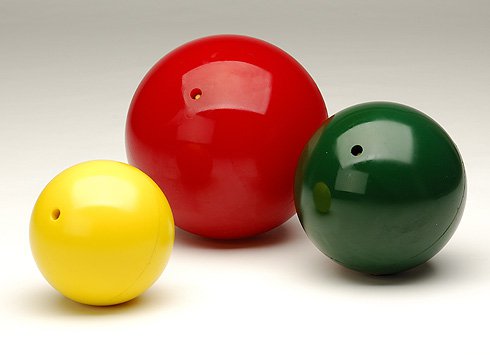
For lines where diameter consistency is uncertain or where the inside diameter varies slightly along the run, inflatable polyurethane spheres offer a flexible pigging solution. You can then inflate these hollow spheres to a certain diameter before launch. As such, spheres allow for some range of operation, without having to set a different pig for every line section.
Key Considerations When Ordering Custom Pigging Solutions
Before placing an order for custom pigs, pipeline operators should gather the following information to ensure the best fit and performance:
- Exact inside pipe diameter measured at its tightest point
- Pipe material and condition, including any known corrosion or scale buildup
- Operating pressure and propellant type (liquid, gas, or combination)
- Fluid or product being conveyed
- Bend radius and valve types the pig must navigate
Sharing this information with your pig supplier upfront allows them to recommend the right pig type, density, and coating configuration for your specific application. The difference between a working pig and a stuck one in the line often comes down to these details.
Getting the Right Fit the First Time
Girard Industries has decades of experience in pipeline maintenance. Our experience reinforces one consistent truth: the right pigging solution is always worth the investment. By working with us from the start, you avoid the costly trial-and-error. Eliminating the guesswork about pig dimensions means saving up on replacement and repair costs down the line. Custom pigging solutions give you the confidence that each run goes cleanly and without incident. This applies whether you are running a single specialty line or managing a network of non-standard pipelines.
If you are working with a non-standard pipeline diameter and are not sure where to start, send us a message. We would be happy to walk you through the options. Our team will review your pipe specifications, and help you find the pigging solution that fits your line the first time. Contact us today and let us put our experience to work for you.