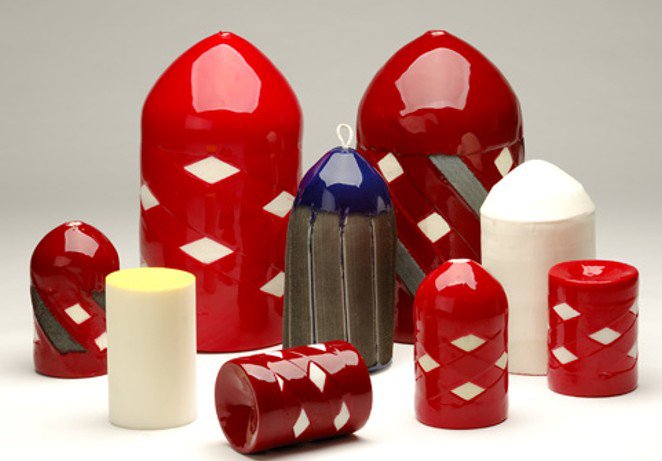
In liquid pipeline systems, batching is the practice of transporting multiple products through a single pipeline one after another. The products are separated by a physical tool called a batching pig.
This prevents contamination between products and protects quality throughout the line. Understanding how these tools work is essential for anyone managing a multi-product pipeline operation.
What Batching Is and Why It Matters
Multi-product pipelines are common across many industries. Refined fuel lines, chemical distribution systems, and food-grade processing pipelines all face the same challenge. Different products must travel through the same conduit without mixing.
Without proper separation, product contamination can occur at the interface zone. Contaminated product may fall out of specification. That leads to costly reprocessing, waste, or even regulatory consequences. Batching pigs eliminates this risk by acting as a physical barrier between consecutive product slugs.
The benefits extend beyond contamination control. A well-executed batch operation also reduces interface volume. Less mixed product at the boundary means less waste and lower remediation costs.
How a Batching Pig Works
A batching pig travels through the pipeline propelled by pressure differential or product flow. It creates a tight seal between two separate products. As each product pushes forward, the pig moves ahead of the trailing product. The result is a clean physical separation between the two.
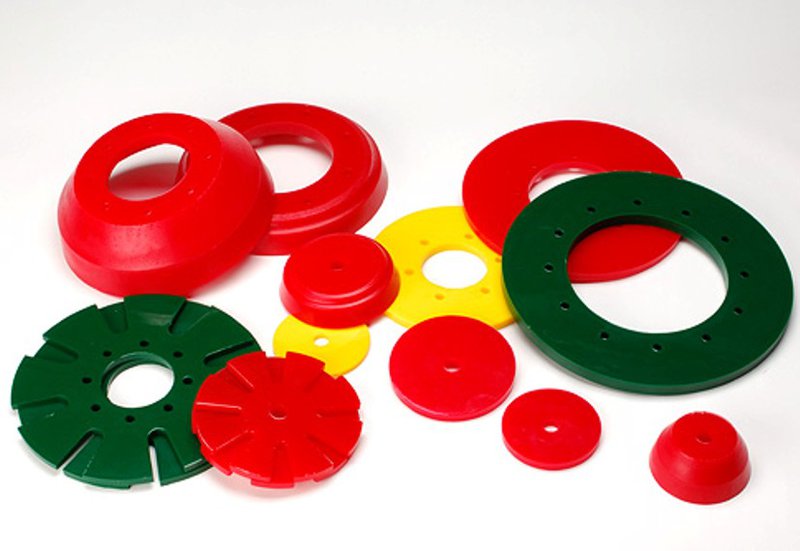
Most batching pigs use sealing discs or cups to maintain contact with the pipe wall. These components flex and conform to the inner diameter. While there will always be a bit of bypass, the cups/disc can "minimize” this. Bypass reduces separation effectiveness and causes mixing.
Pig speed is also important. Moving too fast creates turbulence at the interface. Moving too slow can cause gravity-based separation in lower-flow conditions. Operators must control flow rates throughout the run to keep the pig traveling at the right speed.
Selecting the Right Batching Pig for Your Application
Choosing the right pig is not a one-size-fits-all decision. Several factors must be evaluated for each specific application.
Here are the key considerations when selecting a batching pig:
- Pipe diameter and ID tolerance: You must size the pig properly for the line. An undersized pig lets fluid bypass it, while an oversized pig risks jamming in the line.
- Material compatibility: The pig's elastomers and components must be compatible with both products in the line. This is especially critical in chemical and food-grade systems.
- Pipeline geometry: Bends, tees, reducers, and other features affect how the pig travels. The pig must be able to navigate these features without lodging or losing seal integrity.
- Seal type: Disc pigs and cup pigs perform differently depending on operating conditions. The choice depends on pressure, flow rate, and pipeline design, including any internal bore changes.

Consulting a pipeline tool specialist before selection helps avoid costly mistakes. The wrong pig can cause operational delays, product contamination, or difficult retrieval situations.
Common Challenges in Batching Operations
Even a well-planned batch run can encounter problems in the field. Knowing the most common issues helps operators address them early.
Pig bypass is one of the most frequent concerns. It often results from out-of-spec sealing elements or improper sizing. Inspecting discs and cups before each run catches wear before it becomes a problem.
Pig tracking is another operational challenge. Operators need to know where the pig is at all times. This is especially important on long-distance lines. Pig signallers and external tracking tools help monitor pig position throughout the run.
Some pipeline features can also damage or trap a pig. Partially closed valves, weld bead intrusions, and debris accumulations are common hazards. A pre-run inspection of the line using an assessment style pig, such as gauge plate pigs, reduces the risk of a stuck or damaged tool.
Finally, some product mixing at the leading and trailing edges of the pig is unavoidable. The goal is to minimize this interface volume. Controlled flow rates and proper pig selection are the most effective ways to do that.
Ready to Find the Right Pig for Your Next Batch Run?
At Girard Industries, we work directly with pipeline operators across oil and gas, chemical, and food-grade industries. We help teams select the right tool for their specific line conditions and product types. Our experience covers a wide range of diameters, geometries, and operating environments.
If your team is managing a multi-product liquid pipeline, reach out to us. We are happy to walk through your application and recommend the right batching solution. Contact Girard Industries today and let us help you run clean.
Frequently Asked Questions
How is a batching pig different from a cleaning pig? A cleaning pig is designed to remove deposits and debris from the pipe wall. A batching pig is designed to separate two different products. Some pigs combine both functions, but the primary purpose determines the design.
Can batching pigs be used in food-grade pipelines? Yes, but material selection is critical. The pig's sealing components and body materials must comply with food-safe standards. Always confirm material compatibility before running a pig in food or beverage processing lines.
What happens if a batching pig gets stuck mid-run? A stuck pig can disrupt operations and require a shutdown to retrieve. This risk is reduced through proper sizing, pre-run inspections, and using pigs designed to navigate your specific pipeline geometry. Having a contingency plan for pig retrieval is also good practice.
How do operators determine the interface volume after a batch run? Operators typically measure interface volume at the receiving end by sampling the product. They take samples at intervals as the product transitions. Testing identifies when the product returns to specification, which defines the extent of the interface zone.