Modern asset management focuses on the preservation of structural integrity. For facilities maintenance teams, the reliability of a system depends on proactive care. Neglecting routine upkeep leads to the buildup of solids, condensates, and paraffin. These contaminants compromise the service life of the pipe. Specifically, they increase the risk of unexpected downtime due to failure. Strategic pipeline maintenance provides a cost-effective method to mitigate these risks. By implementing a consistent cleaning regimen, operators ensure that their infrastructure remains safe. Consequently, the asset remains productive for many decades.
The Economic Impact of Proactive Pipeline Maintenance
The financial benefits of a proactive program extend far beyond simple debris removal. Accumulated deposits increase the energy required to transport the product. This happens because the debris reduces flow capacity. Over time, this inefficiency leads to higher energy costs at pumping stations. Furthermore, stagnant liquids and paraffin can foster microbial growth. This often accelerates localized corrosion rates. By using specialized cleaning tools along with a comprehensive cleaning plan, maintenance teams remove these threats early. Therefore, they prevent irreversible damage to the steel. This preventive action significantly reduces the need for expensive emergency repairs.
Establishing a baseline of internal cleanliness also allows for more accurate budgeting. When a system is maintained well, operational costs remain predictable. Operators can schedule maintenance during planned outages. This is much better than reacting to sudden flow restrictions. Moreover, regular cleaning simplifies the preparation for regulatory inspections. A clean pipeline allows for clearer data collection from inline inspection tools. This reduces the likelihood of costly re-runs. Ultimately, the total cost of ownership for a well-maintained pipeline is much lower. Effective pigging tools serve as a vital investment in the long-term viability of the system.
In addition, clean lines help maintain product purity. Debris and old batches can contaminate new products. This is a major concern in multi-product lines. Consequently, regular cleaning keeps the product value high. It also ensures that customers receive the quality they expect. Indeed, maintenance is about more than just the pipe. It is about the success of the entire business operation.
Selecting Tools for Maintenance Reliability
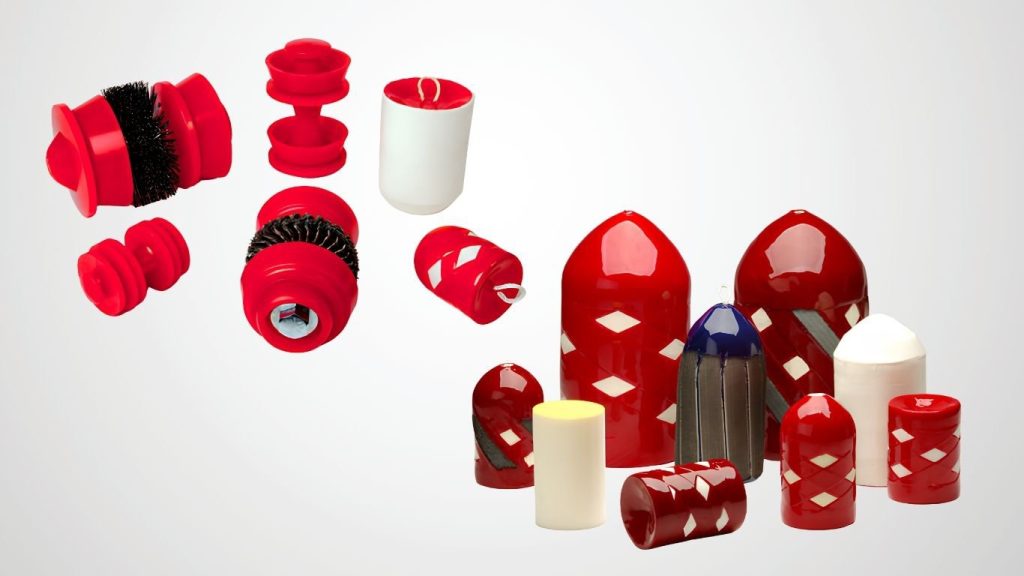
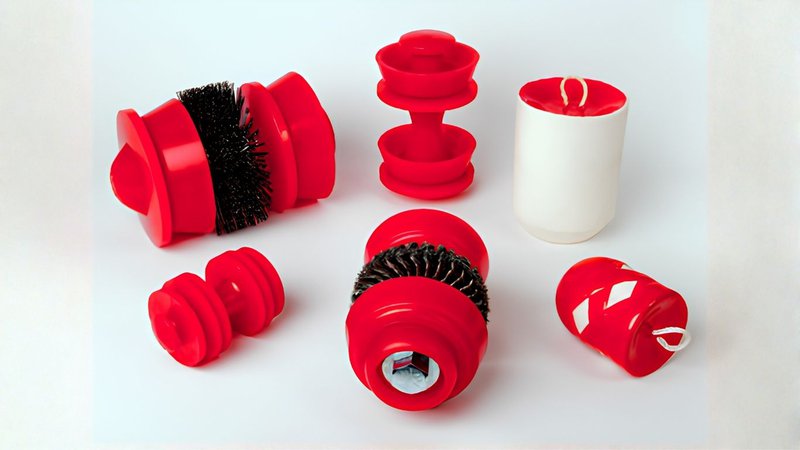
Reliability in maintenance starts with selecting the right tools for the specific environment. Facilities teams often rely on versatile foam Polly-Pigs for routine drying operations. These tools provide a gentle but effective way to remove light debris and moisture. Their flexible structure allows them to navigate bends, fittings and valves. These are areas that might obstruct a more rigid pig. For more aggressive maintenance, solid cast urethane pigs offer increased durability. These tools maintain a superior seal during long-distance runs. Therefore, they ensure that the majority of debris is pushed to the receiving trap.
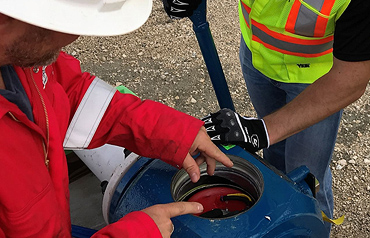
Standardizing procedures also involves the use of specialized launching hardware. Maintenance teams must follow standardized pig launching and receiving procedures to stay safe. These sequences involve precise valve operations to manage pressure. Properly executed launching and receiving steps prevent tool damage. They also ensure that the cleaning action is consistent throughout the entire line. By documenting every run, managers can track the effectiveness of their program. This data-driven approach is the hallmark of a world-class maintenance organization.

Furthermore, tool tracking is a vital part of the process. Knowing where the tool is helps prevent lost pigs. Technicians use signallers and tracking receivers to follow the run. This allows them to see if a pig gets stuck or slowed. Subsequently, they can act fast to solve the problem. Overall, this reduces the risk of a major shutdown. It keeps the project on schedule and on budget.
Industry Standards for Pipeline Reliability
Adhering to global standards ensures that maintenance programs meet safety benchmarks[cite: 1, 3]. The American Petroleum Institute (API) provides extensive guidance on the care of pipeline systems. Many facilities maintenance teams consult the API standards for pipeline maintenance to develop protocols. These documents outline best practices for hazard identification and internal cleaning. Following these guidelines ensures that the program addresses all potential threats. Similarly, it ensures that the work meets industry expectations for quality.
Beyond technical standards, regulatory compliance is a critical driver for pipeline maintenance activities[cite: 1, 3]. Pipelines must operate within the safety margins defined by federal agencies. Regular pigging helps operators demonstrate their commitment to asset safety[cite: 1, 3]. By maintaining a clean system, companies reduce their risk of fines. More importantly, they protect the communities surrounding their operations[cite: 1, 3]. Specifically, they must follow rules like 49 CFR Part 192 for gas pipeline safety. A reliable pipeline is a safe pipeline. Safety is the ultimate goal of every preventive program.
At Girard Industries, we understand that your assets are your most valuable investment. We provide the technical expertise and high-performance tools you need. Our Houston-based facility produces a complete line of engineered pigging solutions. Whether you need custom design solutions or technical support, our team is ready to assist. You can explore our comprehensive technical resources to discover how we can support your success. If you’re looking for the right partner to keep your infrastructure running at its highest potential, contact us today.