Safety rules in the pipeline industry are changing quickly. These standards now focus on finding problems early. Most big failures start with small issues that grow over time. Therefore, a Pipeline Integrity Engineer must find these risks before they cause a break. This proactive work needs good data and strong tools. Maintaining a clean pipe is the first step in this process. Consequently, a clean pipe leads to a safer system for everyone. Moreover, a clean line ensures that inspections are accurate.
Why a Pipeline Integrity Engineer Needs Clear Data
A Pipeline Integrity Engineer must balance work time with safety rules. These experts check thousands of miles of pipe for metal loss or damage. However, these checks only work if the pipe is clean. Wax or debris can conceal big flaws. As a result, the engineer needs a strict cleaning plan. This ensures the sensors on a tool can see the pipe wall clearly. Specifically, a clean pipe allows for much better signal quality. In contrast, a dirty line can lead to missed defects.
Furthermore, these engineers develop plans to lessen risks. They prioritize certain pipe sections based on location and history. By cleaning the line often, they can track how fast debris builds up. This data helps them predict how long the pipe will last. In addition, it helps them decide when to do the next check. Overall, the engineer acts as a guardian of the asset. Their work ensures the pipe remains safe for the environment. Indeed, the goal is always to prevent an incident before it starts.
Additionally, data management is a huge part of the job. The engineer must look at data from many different runs. Subsequently, they use this info to build a health map of the system. If they see a change in flow, they must act fast. Therefore, they often call for a cleaning run to check for debris. This step keeps the whole system running smoothly. Ultimately, clear data is the foundation of a safe pipeline.
Using Heavy-Duty Tools for Better Safety
Standard tools are sometimes not enough for very dirty lines. In these cases, a Pipeline Integrity Engineer uses steel mandrel pigs. These tools have a strong steel body. They can also hold many different parts. For example, they can hold brushes, scrapers, and magnets. Girard steel mandrel pigs provide the strength needed for these tough jobs. They remove thick wax and scale that could accelerate corrosion. By clearing these layers, the engineer reduces the formation of corrosion starting points.
Moreover, the modular design of these tools allows for custom setups. An engineer can choose a mix of cups and discs to clean the pipe. They can also check the technical data for steel mandrel pigs to find the right fit. This detail is vital for a successful run. Properly built tools move most of the debris to the end of the line without getting stuck. This mechanical cleaning is a key part of protecting the asset. Indeed, using the right tool reduces the chance of a costly mistake.
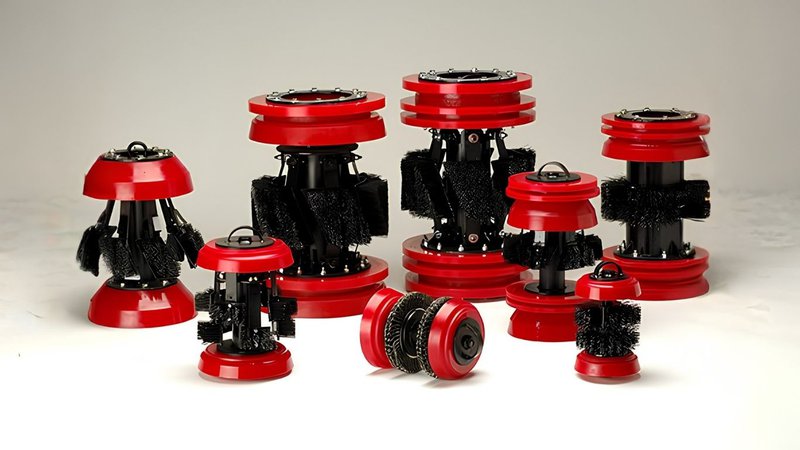
To illustrate, consider a line with heavy paraffin. A soft foam pig might just slide over the wax. In contrast, a steel pig with brushes and bypass will scrub and sweep the pipe wall. As a result, the line becomes much cleaner. This allows for a better check of the steel. Consequently, the engineer can be more confident that the pipeline is safe. Similarly, adding magnets can pick up metal pieces. This protects the pumps and valves further down the line.
Following Industry Rules and Standards
Following federal rules is a vital part of pipeline safety. Agencies like the Pipeline and Hazardous Materials Safety Administration (PHMSA) oversee these lines. Therefore, engineers must ensure their plans follow federal safety law. These rules include specific steps for managing the integrity of pipelines. Failing to follow them can also cause a shutdown, which can lead to big fines. More importantly, negligence increases the risk to the environment.
Similarly, industry best practices add more safety layers. Many groups follow the rules from the American Petroleum Institute. For instance, experts often use API Recommended Practice 1160 for liquid systems. These guides help engineers improve their work over time. They also encourage the use of new tech. By staying current with these rules, a Pipeline Integrity Engineer keeps the pipeline safe. This commitment protects the value of the asset for years to come.
Furthermore, these standards are reviewed and updated frequently. Consequently, the engineer must stay informed about new laws and regulations. They must also work with local teams to ensure local regulations and laws are in compliance. Indeed, safety is a team effort. Every member of the team plays a role. Therefore, the engineer must provide clear instructions for every run. This ensures that the work is done correctly every time.
When it comes to professional pipe cleaning, Girard Industries has both the expertise and tools. We make all of our products in the USA. This ensures we meet the highest quality standards. Our team can help you build a plan for your specific needs. You can explore our technical data and resources to learn more. Together, we can keep your pipeline safe and reliable.
If you wish to have a detailed conversation with our professionals, our U.S. team is always ready to talk to you and lend their support.
If you wish to have a detailed conversation with our professionals, our U.S. team is always ready to talk to you and lend their support.